
Neil Lennon
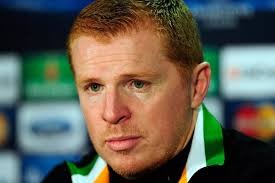
– An Extensive Biography
Early Life and Background
Neil Francis Lennon was born on 25 June 1971 in Lurgan, County Armagh, Northern Ireland, during one of the most turbulent periods in the country’s history. Growing up amid The Troubles, Lennon’s early life was shaped by social division, political tension, and personal adversity. Football became both an escape and a source of purpose, offering structure, identity, and hope.
From a young age, Lennon displayed an exceptional understanding of the game, particularly in midfield, where intelligence, positional discipline, and leadership mattered more than pace or flair.
Early Playing Career
Lennon began his professional career with Manchester City, making his senior debut in the early 1990s. He later moved to Crewe Alexandra, where he flourished under the guidance of renowned developer of young talent Dario Gradi. At Crewe, Lennon honed his tactical awareness and passing range, becoming one of the most intelligent midfielders outside the top flight.
A move to Leicester City followed in 1996, where Lennon played a key role in one of the club’s most successful eras.
Achievements at Leicester City:
Football League Cup winner (1997, 2000)
Regular Premier League performer
Known as the midfield “organiser” and on-field leader
Celtic Playing Career (2000–2007)
In December 2000, Lennon joined Celtic, a move that would define his legacy. Almost immediately, he became the heartbeat of the team.
Under Martin O’Neill, Lennon was central to one of the greatest periods in Celtic’s modern history.
Major achievements as a Celtic player:
5 Scottish League titles
4 Scottish Cups
2 Scottish League Cups
UEFA Cup Finalist (2003)
Lennon’s role in Celtic’s journey to the 2003 UEFA Cup Final in Seville was pivotal. While not the most glamorous player, his intelligence, aggression, and leadership allowed attacking talents to flourish around him.
Personal Adversity and Courage
Lennon’s career cannot be discussed without acknowledging the sectarian abuse and death threats he faced due to his background and religion. In 2002, he temporarily withdrew from international football with Northern Ireland after receiving credible threats.
Despite this, Lennon continued to perform at the highest level, earning widespread respect for his bravery, resilience, and professionalism. His willingness to speak openly about these experiences later in life has been praised for its honesty and importance.
International Career
Neil Lennon earned 40 caps for Northern Ireland, captaining his country and becoming one of its most influential players of his generation. His international career was marked by commitment and leadership rather than tournament success, reflecting the challenges faced by Northern Irish football during that era.
Transition into Management
After retiring as a player in 2008, Lennon moved swiftly into coaching. In 2010, he was appointed manager of Celtic, initially in an interim role before taking the position permanently.
First Spell as Celtic Manager (2010–2014)
Lennon inherited a club under intense pressure and scrutiny. He responded by restoring discipline, belief, and European credibility.
Key achievements:
3 Scottish Premiership titles
2 Scottish Cups
1 Scottish League Cup
Famous UEFA Champions League victories, including wins over Barcelona and Manchester United
The 2012–13 Champions League campaign marked a high point, with Celtic advancing from the group stage and earning global admiration for their organisation, intensity, and atmosphere at Celtic Park.
Management Beyond Celtic
After leaving Celtic in 2014, Lennon took on new challenges:
Bolton Wanderers – stabilising the club during severe financial crisis
Hibernian – leading them to promotion to the Scottish Premiership and a strong top-flight return
His work at both clubs highlighted his ability to manage under extreme pressure and limited resources.
Second Spell as Celtic Manager (2019–2021)
Lennon returned to Celtic in 2019 and delivered immediate success.
Achievements:
Scottish Premiership titles (2019–20, 2020–21)
Scottish Cup wins
Completion of historic domestic trebles, including part of Celtic’s record-breaking quadruple treble era
Despite the unprecedented challenges of the COVID-19 pandemic and an ultimately difficult final season, Lennon’s trophy record places him among Celtic’s most successful managers.
Managerial Style and Philosophy
Neil Lennon is known for:
Demanding intensity and discipline
Strong man-management
Tactical pragmatism
Emotional leadership
Resilience in hostile environments
He thrives in pressure situations and has often been most effective when clubs face adversity.
Media Work and Legacy
Following his second departure from Celtic, Lennon transitioned into football punditry and media analysis, where he is respected for his honesty, tactical insight, and refusal to shy away from difficult topics.
Legacy
Neil Lennon’s legacy is complex, powerful, and enduring.
He is remembered as:
A Celtic great as both player and manager
One of the most successful managers in Scottish football history
A figure of immense personal courage
A leader forged in adversity rather than privilege
Few figures in British football have experienced such extremes of pressure, success, criticism, and resilience.