
Martin O’Neil
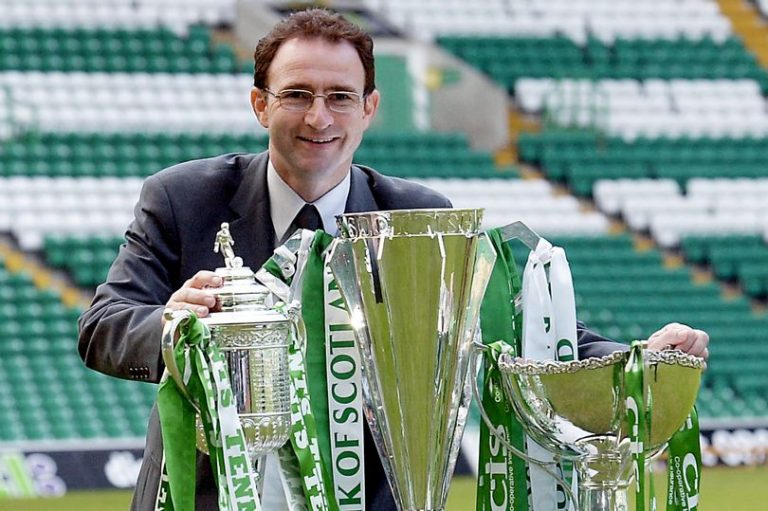
– An Extensive Biography
Early Life and Playing Career
Martin Hugh O’Neill was born on 1 March 1952 in Kilrea, County Londonderry, Northern Ireland. Raised in a modest, close-knit community, O’Neill’s early life was shaped by discipline, education, and a strong sense of identity—traits that would later define his managerial career.
A gifted footballer from a young age, O’Neill combined sport with academics, studying law at Queen’s University Belfast, a rare path for a future elite football manager. As a player, he operated primarily as a midfielder, best known for his intelligence, work rate, and leadership rather than flair.
His playing career included spells at Nottingham Forest, Norwich City, and Manchester City, but his most significant success came under Brian Clough at Nottingham Forest, where he won:
European Cups (1979, 1980)
First Division title
League Cup
These formative years under Clough profoundly influenced O’Neill’s own management philosophy—demanding standards, psychological strength, and absolute belief.
Transition Into Management
After retiring early due to injury, O’Neill moved swiftly into management, beginning with Grantham Town, where he achieved consecutive promotions—an early sign of his ability to build winning teams quickly.
He later managed:
Wycombe Wanderers – guiding them from non-league football to the brink of the Championship
Norwich City
Leicester City
At Leicester, O’Neill earned national acclaim, winning:
League Cup (1997, 2000)
Regular European qualification
By the turn of the millennium, he was widely regarded as one of the most capable managers in Britain.
Celtic Appointment (2000)
In June 2000, Martin O’Neill was appointed manager of Celtic Football Club, inheriting a squad in decline and a club dominated domestically by rivals Rangers. Celtic had finished 21 points behind the previous season, morale was low, and expectations were immense.
O’Neill’s arrival marked a transformational era.
Immediate Impact and Domestic Dominance
In his first season (2000–01), O’Neill delivered one of the greatest campaigns in Celtic history:
Scottish League Title
Scottish Cup
League Cup
Historic domestic treble
Stopping Rangers’ bid for 10-in-a-row
Celtic played aggressive, attacking football, built around physicality, belief, and relentless tempo. O’Neill reinvigorated the squad with key signings such as Henrik Larsson, Chris Sutton, Neil Lennon, Alan Thompson, and Bobo Baldé, forming a team that combined power with technical quality.
European Nights and the UEFA Cup Run
O’Neill restored Celtic’s reputation in Europe, making Celtic Park one of the most intimidating atmospheres on the continent.
The pinnacle came in the 2002–03 UEFA Cup, where Celtic reached the final in Seville, defeating elite teams along the way, including:
Blackburn Rovers
Celta Vigo
Stuttgart
Boavista
Liverpool (epic quarter-final)
Although Celtic narrowly lost 3–2 after extra time to Porto in the final, the campaign is remembered as one of the greatest European adventures in the club’s history, cementing O’Neill’s legendary status.
Leadership Style and Legacy at Celtic
Martin O’Neill was renowned for:
Exceptional man-management
Building fierce team unity
Tactical pragmatism balanced with attacking intent
Creating belief under pressure
He understood Celtic not just as a football club, but as a cultural institution, embracing its history, supporters, and expectations.
During his five seasons (2000–2005), O’Neill won:
3 Scottish League titles
3 Scottish Cups
1 League Cup
Consistent Champions League qualification
Multiple iconic Old Firm victories
Departure and Later Career
O’Neill stepped down in 2005 due to personal reasons, leaving Celtic financially stronger, culturally unified, and restored to prominence at home and in Europe.
He later managed:
Aston Villa – achieving multiple top-six Premier League finishes
Sunderland
Republic of Ireland national team
Northern Ireland national team (guiding them to Euro 2016)
Enduring Reputation Among Celtic Supporters
For many Celtic fans, Martin O’Neill represents:
A rebirth era
Pride restored after years of frustration
Unforgettable European nights
A manager who understood the club’s soul
He is consistently ranked among the greatest managers in Celtic history, alongside figures such as Jock Stein, and remains a revered and respected figure in Scottish football.